
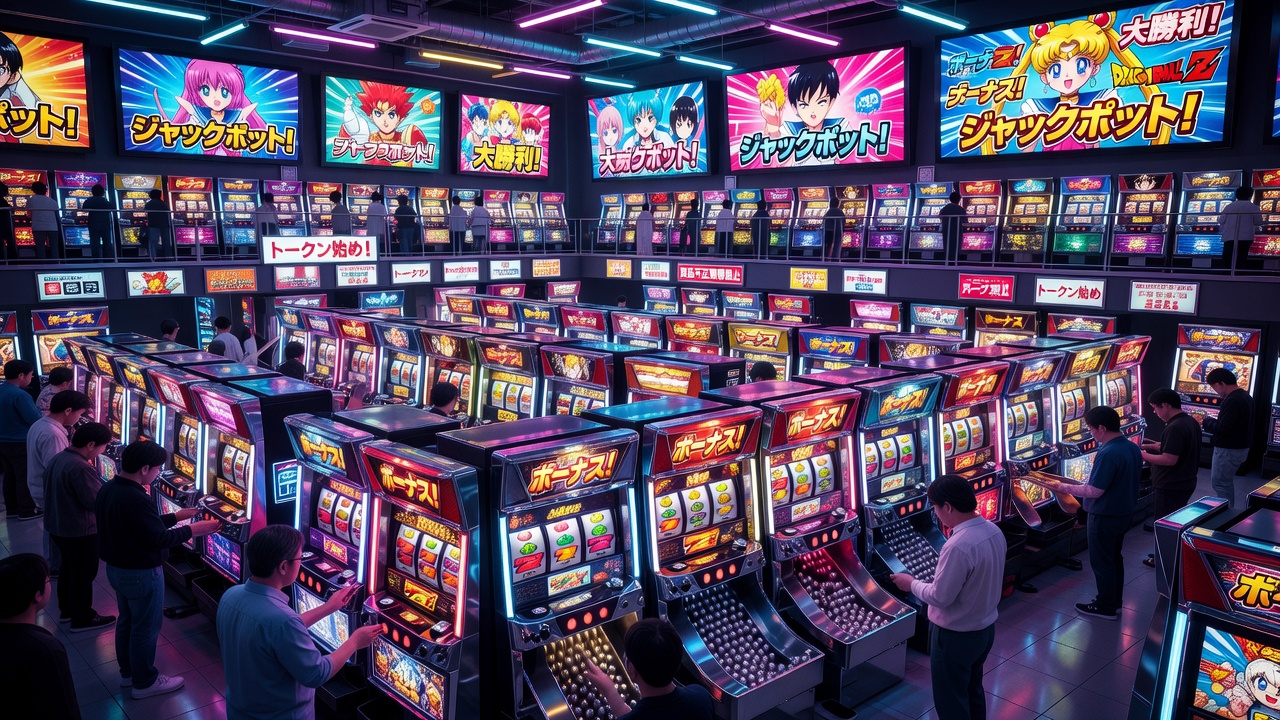
A single pachinko parlor in Tokyo can house more machines than an entire regional casino floor in the United States, and the industry as a whole moves more money annually than most countries' gambling markets combined. Yet outside Japan, almost nobody understands how the game actually works. Ask someone to explain pachinko and you'll likely get a shrug, or a vague comparison to pinball. That comparison misses almost everything that matters.
Pachinko sits in a strange legal and cultural space: it's technically not gambling under Japanese law, it involves genuine mechanical skill alongside heavy randomness, and it has produced a subculture of dedicated players who track machine behavior with the seriousness of professional poker players reading tells. Understanding pachinko game rules means understanding a system built on small physical adjustments, digital jackpot triggers, and prize exchange loopholes that keep the whole enterprise on the right side of the law. For readers curious about trying the format without booking a flight to Osaka, platforms offering online pachinko games have made the mechanics accessible worldwide - you can even visit site to see a modern digital adaptation of the format in action.
This piece breaks down exactly how the machines work, what separates a casual player from someone who reads the game with any real edge, and how digital versions have translated a distinctly Japanese pastime for a global audience.
What Pachinko Actually Is
Origins and Cultural Context
Pachinko descended from a children's game imported to Japan in the early twentieth century and evolved into an adult amusement after World War II, when parlors offered a low-cost escape during a period of economic hardship. It grew into a dominant leisure industry precisely because Japan's gambling laws are restrictive - pachinko exists in a gray zone where players win tokens or balls rather than cash directly, sidestepping legal prohibitions on gambling. That single structural fact shapes everything about how the game is played, marketed, and regulated.
Why It's Not Classified as Gambling
Under Japanese pachinko rules, parlors cannot pay out money directly. Instead, winners exchange their balls for prizes - often small trinkets or tokens - which can then be sold at a separate, technically independent shop located near or adjacent to the parlor. This "triple shop system" creates a legal buffer: the parlor sells prizes, a middleman buys them back for cash, and the parlor later repurchases them wholesale. Everyone understands the arrangement, regulators tolerate it, and the industry has operated this way for decades.
Scale of the Industry
Pachinko parlors remain a fixture of nearly every Japanese city and town, often occupying multiple floors with hundreds of machines running simultaneously. The noise, the flashing lights, and the sheer density of machines are part of the sensory identity of the game - an environment designed to keep players seated and focused for hours at a stretch.
Core Pachinko Game Rules Explained
The Basic Objective
The goal is straightforward: launch small steel balls into a vertical playing field studded with pins, and try to land them in a specific scoring pocket. Landing a ball correctly triggers a bonus round, usually presented as a digital slot-style display in the center of the machine. Match the right symbols during that bonus round, and the machine releases a large payout of additional balls, which the player can then exchange for prizes.
How Balls Are Purchased and Used
Players buy a tray of balls at the start of a session, typically for a set rate per ball, and feed them into the machine using a firing handle or dial. Skill enters the picture here - controlling the launch strength affects where balls land on the pin field, and consistent placement near high-probability pockets is central to disciplined pachinko machine gameplay.
Scoring Pockets and Bonus Triggers
Modern machines feature multiple pockets: a primary "start chucker" that triggers the bonus game, and secondary pockets that simply return balls without event. Landing in the start chucker doesn't guarantee a win - it only initiates the digital reel sequence, which then determines the outcome based on programmed probability.
Digital Reels and Jackpot Mechanics
The reels function much like a slot machine, cycling through symbols at high speed before locking into a result. A matching combination - often three identical numbers or characters - triggers a jackpot state, opening a large gate at the bottom of the field that lets balls pour in rapidly for a fixed period or number of rounds.
- Start chucker: initiates the bonus reel sequence
- Regular pockets: return balls with no bonus trigger
- Jackpot gate: opens during a winning combination, allowing rapid ball accumulation
- Continuation chance: some machines offer repeated jackpot rounds if triggered again quickly
Machine Mechanics and Technology
Physical Pin Layout and Ball Physics
Every machine's pin arrangement is slightly different, and manufacturers regularly release new models with adjusted layouts to keep the format fresh. Ball trajectory depends on launch velocity, pin spacing, and subtle vibrations built into the machine - no two units behave identically, even if they're the same model sitting side by side.
The Role of RNG in Modern Machines
While the physical ball drop looks like pure mechanical chance, the actual jackpot outcome is governed by a random number generator embedded in the machine's software. This shifted the game's balance over the decades - older mechanical machines relied more heavily on physical skill, while contemporary units lean on digital randomness dressed up as a mechanical experience.
Parlor Settings and Payout Adjustments
Parlors can adjust individual machines' payout probability within limits set by regulation, a practice players refer to as "settings." Certain machines on certain days are set looser, and experienced players study patterns - time of day, day of the week, machine position near the entrance - to guess which units might be running a favorable setting. This is the closest pachinko comes to a repeatable analytical strategy.
Differences Between Machine Generations
Older mechanical pachinko machines used almost entirely physical pin logic, with minimal digital elements. Contemporary machines integrate elaborate video displays, licensed anime characters, and multi-stage bonus sequences that can run for several minutes, turning a simple ball-drop mechanism into a layered audiovisual event.
Pachinko Strategy Tips for Better Results
Reading Machine Behavior Before Playing
Watching a machine before committing money is a habit shared by nearly every serious player. Observing recent payout patterns, how frequently the jackpot gate opens, and how other players are faring gives a rough sense of whether a unit is running hot or has been reset to a tighter setting.
Controlling Launch Strength Consistently
Precision matters more than aggression. Players who find a launch strength that consistently lands balls near the start chucker, then hold that setting steady, tend to outperform those who adjust erratically after every miss. Small, repeatable adjustments beat large, reactive ones.
Managing Your Ball Budget
Treat each session with a fixed budget the way you would at any wagering activity. Set a ball-count limit before you sit down, and walk away when you hit it - win or lose. This single habit prevents the chasing behavior that turns a manageable loss into a costly one.
Timing Your Sessions
Parlors often reset machine settings on specific days, frequently tied to the Japanese calendar's numerically significant dates. Playing shortly after a parlor opens, when machines have just been reset, is a commonly cited approach among regulars looking for better odds.
How Online Pachinko Games Work
Digital Adaptations of Physical Mechanics
Online pachinko games replicate the pin field, ball physics, and bonus reel structure using software simulation rather than physical hardware. The visual presentation mimics the original closely - flashing lights, character-themed bonus rounds, and the same start-chucker logic - but every outcome is determined entirely by an RNG rather than physical ball movement.
Key Differences from Physical Machines
Because there's no ball to launch or pin field to influence, skill-based strategy tips that apply to physical machines - launch strength control, pin-reading - don't transfer directly to digital versions. Instead, online formats emphasize bet sizing, session management, and choosing games with transparent payout structures.
Accessibility and Global Reach
Digital pachinko has opened the format to players who will likely never set foot in a Japanese parlor. Mobile and browser-based platforms let international audiences experience the visual spectacle and bonus structure without navigating the language barrier or the physical setup required in an actual parlor.
Legal and Cultural Considerations
Regulation Inside Japan
Pachinko parlors operate under licenses from local public safety commissions, and the prize-exchange system exists specifically to keep the format outside the legal definition of gambling. This regulatory structure is unique to Japan and doesn't map cleanly onto how other countries classify similar games.
How Rules Differ for International Players
Outside Japan, online pachinko games are typically classified under standard gaming or gambling regulations depending on the jurisdiction, since the ball-for-prize exchange loophole doesn't exist digitally. Players should check local rules before engaging with real-money versions, as classification varies widely by country.
Frequently Asked Questions
Is pachinko considered gambling in Japan?
Legally, no. Parlors pay out prizes rather than cash, and a separate exchange shop converts those prizes into money, which keeps the practice outside Japan's gambling laws despite functioning like gambling in every practical sense.
Can skill really influence the outcome of a pachinko machine?
Yes, to a degree. Controlling launch strength affects where balls land on the pin field, which influences how often you trigger the bonus round, though the jackpot result itself is determined by a random number generator once the bonus starts.
What's the difference between older mechanical machines and modern ones?
Older machines relied almost entirely on physical pin layout and ball physics for outcomes. Modern machines add digital bonus reels, video displays, and licensed character themes, shifting much of the outcome determination to embedded software.
Are online pachinko games fair?
Reputable platforms use certified random number generators and publish payout information, similar to standard online slot games. As with any digital wagering product, checking the platform's licensing and payout transparency before playing is a reasonable precaution.
Do parlor settings really change machine odds?
Yes. Parlors can adjust the payout probability of individual machines within regulatory limits, and this practice is well documented among regular players who track which machines and time slots tend to run looser settings.
Is pachinko popular outside Japan?
Physical pachinko parlors remain almost exclusively a Japanese phenomenon, but digital adaptations have found an audience internationally through mobile apps and online gaming platforms that replicate the visual style and bonus mechanics for a broader market.